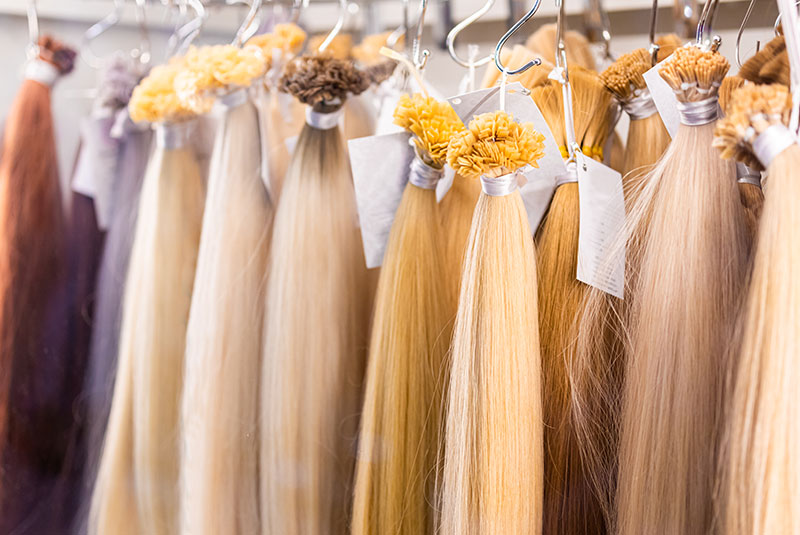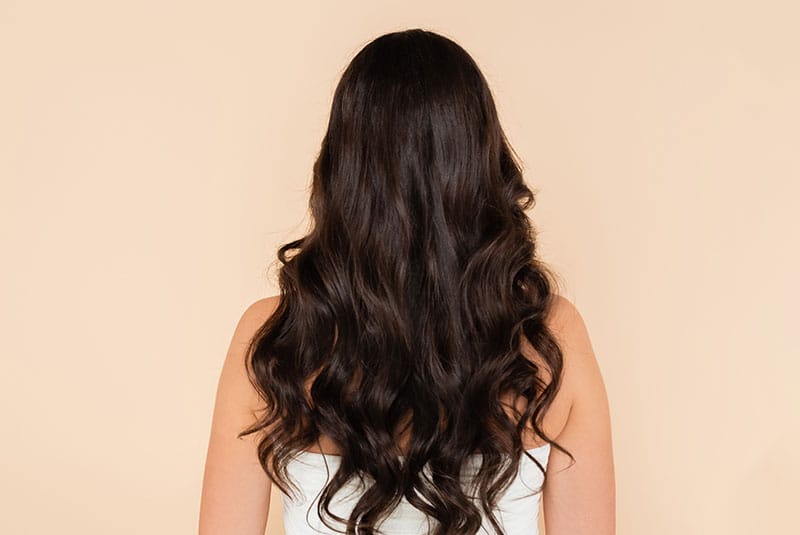
Human hair extensions have become an important category in the global hair and beauty industry. From professional salons and extension studios to wholesalers, distributors, beauty brands, and online retailers, more businesses are expanding their product ranges with high-quality human hair extensions.
One of the main reasons behind this growth is the increasing demand for personalized hairstyles. Consumers today are looking for flexible solutions that allow them to change hair length, volume, color, and overall style without waiting months for their natural hair to grow. Human hair extensions provide a natural-looking and versatile option for achieving these results.
Natural Appearance Remains a Key Purchasing Factor
Compared with synthetic alternatives, high-quality human hair extensions can provide a softer texture, more natural movement, and better blending with the wearer’s own hair. Depending on the hair quality and recommended care methods, human hair extensions can also support washing, styling, curling, and straightening.
For professional buyers, consistency is especially important. Hair color, length, weight, texture, and construction need to remain stable from order to order. This is why experienced wholesalers, salons, and private-label brands often pay close attention not only to the appearance of samples but also to the manufacturer’s production process and quality control standards.
More Extension Methods for Different Markets
The human hair extension market now includes a wide range of application methods. Popular options include tape-in hair extensions, clip-in extensions, keratin or bonded extensions, weft hair extensions, PU wefts, and other professional extension systems.
Different markets may prefer different installation methods. Salons often require professional products designed for repeated service use, while online retailers may focus more heavily on easy-to-use products and attractive retail packaging.
Manufacturers therefore need to offer flexible product development capabilities rather than relying on a limited number of standard specifications.
Customization Creates More Opportunities for Hair Brands
Customization is becoming increasingly important for B2B buyers. Beyond choosing a basic extension type, buyers may require customized hair lengths, colors, widths, weights, textures, attachment methods, labels, logos, and packaging.
For private-label brands, these details help create recognizable products and a more consistent customer experience. Customized packaging and labeling can also make products more suitable for retail, e-commerce, salon distribution, and cross-border sales.
As the global beauty market continues to develop, human hair extensions are evolving from a relatively standardized product into a highly customizable category. Manufacturers that combine stable quality, flexible production, product development, and reliable delivery can provide stronger support for brands, wholesalers, distributors, salons, and professional extension studios.