On this page
Genius Weft is a human-hair weft with a thin, machine-woven base designed to sit flat. The slimmer edge can change the amount of bulk at a fitted row, but it does not decide the whole hairstyle. Coverage, the weight of the added hair and the way a stylist supports the row still determine how the finished hair looks and feels.
Start by separating three things: the hair itself, the edge that joins it together and the installation. Many confusing comparisons treat those as one feature. Looking at them individually helps you judge whether a thin weft offers a useful change for your own hair.
Look at the top edge before the lengths
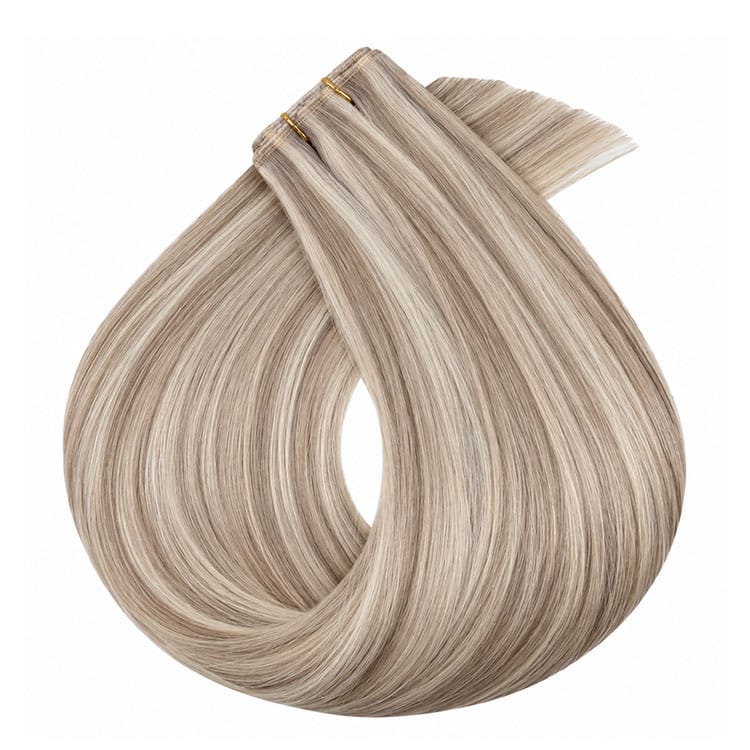
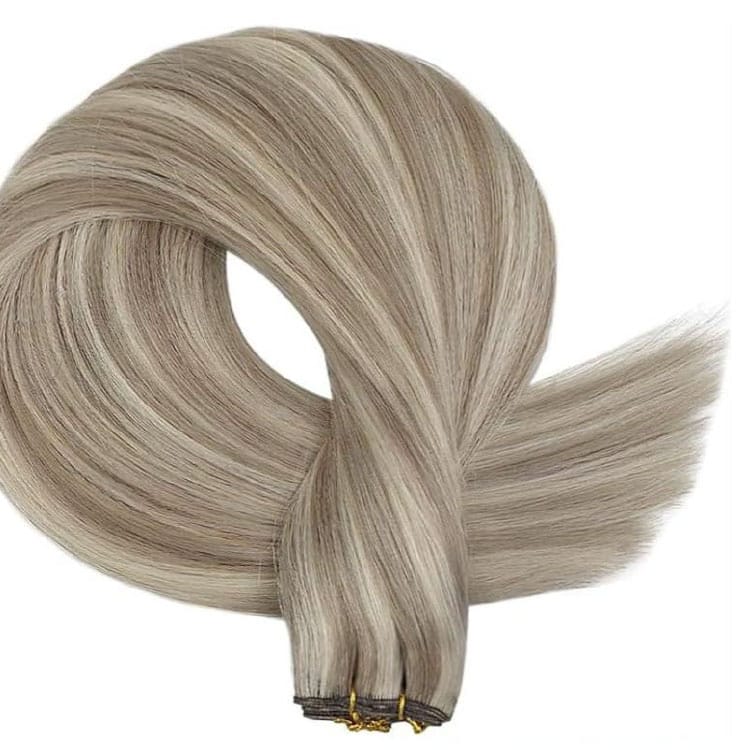
An unfitted weft looks like a curtain of hair with a continuous edge across the top. That edge has to remain secure while allowing the hair to fall naturally. With Genius Weft, the visible construction difference is the thin machine-woven base.
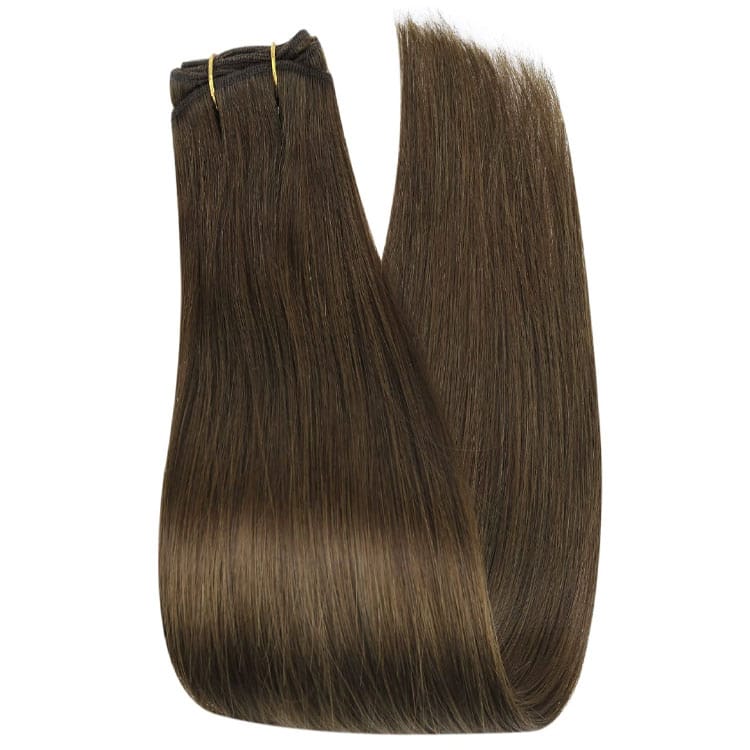
The Genius Weft product page describes human hair with intact cuticles, a thin base and the ability to cut the weft to the required width. It also recommends securing cut edges to help limit shedding. These are useful details because they describe how the product is handled, rather than promising the same result on every head.
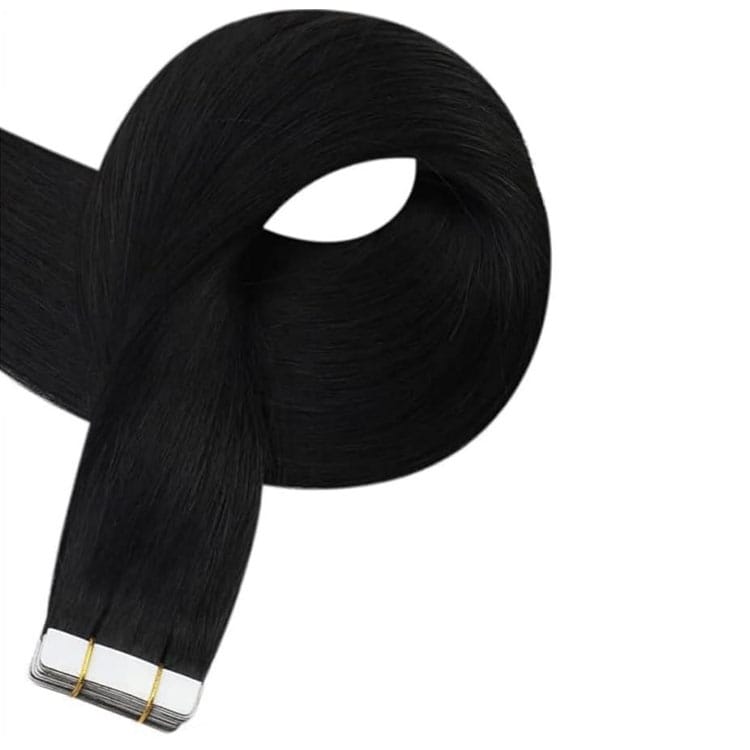
If you can compare samples, lay the bases flat and then gently curve them as they might follow a fitted row. Look at the thickness of the edge separately from the amount of hair hanging beneath it. A narrow seam does not necessarily mean the hair curtain is light.
Slim construction and low weight are different ideas
A thin base may reduce the ridge created by the attachment edge. The added hair still has weight, and that weight depends on length, amount and distribution. Choosing a slim seam does not make an excessively heavy arrangement appropriate for finer natural hair.
Imagine two wefts with similar edges: one adds modest fullness to a shoulder-length style, while the other carries much longer, denser hair. They may look alike at the seam but behave differently when worn. That is why the stylist needs to plan the finished amount rather than approving a product from a close-up photograph alone.
Ask how many rows or widths are proposed and where the extra hair will sit. You do not need to request the greatest possible quantity. A restrained arrangement can be easier to cover, wash and style, especially if your aim is fuller ends rather than a dramatic change in length.
Compare the change you want to make
| Your main concern | What the thin base may change | What still needs checking |
|---|---|---|
| A bulky ridge under the hair | A slimmer weft edge can reduce material at that point | Placement, support and how many layers are stacked |
| Fine top layers | A flatter edge may be easier to conceal in a suitable position | Actual covering density and hair condition |
| Fuller-looking ends | Base design alone does not create a fuller outline | Hair quantity, length distribution and a blending trim |
| Flexible row widths | The weft can be divided to planned widths | Correct edge securing and fitting technique |
| Wearing hair up | A smaller edge may be useful in some positions | Visibility from the sides and comfortable movement |
Use the table to name the problem you want to solve. If the main issue is a poor color match or a blunt natural haircut, changing the seam construction may do very little. Solving the actual mismatch first avoids buying a different base for the wrong reason.
Your covering hair still does the concealing
The top layer of your own hair hides the fitted edge. Its density, length and normal direction matter. If that layer is sparse, a thin base may still show through it. Moving the row to a place with better coverage can matter more than choosing a slightly narrower seam.
Check how the hair behaves around your usual parting and the sides. These areas may have less coverage than the back. If you wear the sides tucked behind your ears or pull the hair up for work, ask to see how those movements affect the proposed row position.
Look in ordinary daylight rather than only under bright salon lights. A sample held against your hair can help you discuss shade and bulk, but it cannot reproduce the support of a completed installation. Treat the sample as a way to ask clearer questions, rather than a self-fitting test.
Cutting the weft changes what happens at the ends
Genius Weft can be cut to suit required widths, according to the listed product description. That gives the stylist flexibility when planning a row. However, the instruction to secure cut edges remains part of the process. Cuttable does not mean every cut edge should be left untreated.
Have widths planned before cutting. Once a long weft is divided, it cannot be turned back into its original uninterrupted length. The stylist should decide where pieces begin and end with the installation in mind, including how their edges will be concealed and supported.
Keep any useful offcuts identified if the stylist recommends doing so. They may help explain the hair or shade later, but do not assume every small piece is suitable for another installation. The condition and width of the remaining section have to make sense for the next use.
The installation method is a separate decision
Ruiteng describes Genius Weft as suitable for sew-in fitting or further processing into tape-in and clip-in formats. That does not mean a single finished piece should be moved between these methods at home. Reworking a product and safely fitting it are professional tasks with their own requirements.
Ask what the stylist plans to use beneath the row and how the support spreads the added load. A name such as Genius Weft tells you the weft construction; it does not identify every part of the fitting. If two stylists propose different installations, compare the plans as well as the hair.
Make removal part of the discussion. You should know how the row comes out, when it will be reviewed and what condition the weft needs to be in for reuse. Clear answers are more valuable than a broad claim that the hair lasts a long time.
Blend the ends as carefully as the seam
A well-hidden base can still lead to an unconvincing result if the lengths do not blend. Compare the hair against your natural mid-lengths and ends. A darker root does not always indicate the color the extension lengths need to match.
Think about the shape of your own haircut. Very full extensions beneath tapered natural ends can create a sudden change in thickness. A blunt cut can form a clear horizontal line above longer added hair. A stylist can plan the quantities and finishing shape together rather than relying on brushing to erase the join.
Allow for the trim when choosing length. An ordered length is the starting material for the finished style, not a promise that every strand will remain at that measurement. If a particular length is important to you, explain where you want the finished ends to fall after blending.
Care should protect the row and the hair
Use care instructions that match the completed installation. A loose weft on a display card and a row fitted to your head are not washed or dried in exactly the same way. Ask how to reach the scalp, separate the hair above the row and keep the attachment area manageable.
Detangle gently while supporting the hair above the knot. Do not force a brush through the top edge or use the entire row as leverage against a tangle. After washing, pay attention to the hair near the base as well as the visible ends when following the drying instructions.
The product description allows heat styling of the human hair while cautioning against prolonged high heat on the base. Keep tools away from the edge. If the hair has been colored or styled previously, test a discreet section before changing the finish of the whole weft.
Decide with a sample and a realistic wearing plan
Ask to see the weft in a shade close to your own hair, ideally with the base visible. Compare that with an explanation of the proposed placement. The most useful answer is specific: how the edge will sit beneath your layers, how the ends will blend and what care you need to perform at home.
For general context on attachment categories, Wikipedia’s overview of hair extensions helps distinguish wefts from individual strands and removable pieces. Product-specific instructions should still come from the exact hair and fitting system.
If your goal is less bulk at a row, compare Genius Weft with Machine Weft Hair and discuss the difference with your stylist. Share your usual hairstyle and the issue you want to improve through the form below, so the product conversation starts with something concrete.
Frequently asked questions
Is Genius Weft handmade?
The listed Ruiteng product is described as having a thin machine-woven base. Do not treat a slim appearance as evidence of hand tying. Construction names vary, so ask for the actual base description when comparing products from different ranges.
Can I cut it anywhere without finishing the edge?
The product can be cut to width, but the description recommends simple edge securing to help limit shedding. Let a professional plan and prepare the sections. Cutting flexibility is useful only when the resulting pieces remain suitable for the intended fitting.
Does a thinner weft automatically suit fine hair?
No. Fine hair still needs enough coverage and suitable support for the chosen amount. A thin edge does not make fragile or sparse hair capable of carrying any length or weight. Discuss the condition of your own hair with an appropriate professional.
Can the hair be curled?
The listed human hair supports heat styling, but keep direct heat away from the base and follow the specific care guidance. The hair’s processing history matters. A small test section is preferable to applying a new tool setting to the entire weft.
What should I compare with a standard machine weft?
Compare the edge thickness, the hair quantity at the same length and how the stylist intends to fit each product. Also compare care and cutting instructions. A useful decision accounts for the finished row rather than judging only the unfitted seam.