On this page
U tip hair extensions have shaped adhesive ends that a trained stylist softens with a professional fitting tool to attach individual strands to natural hair. Before choosing them, understand the bond, the removal process and the everyday care. The question is whether that installed routine suits you, rather than whether the name sounds more permanent than other methods.
The U shape describes the unfitted end. Once the hair is installed, the practical issues are coverage, comfort, detangling and keeping styling tools away from the attachment areas. A good consultation explains these in ordinary language before any fitting begins.
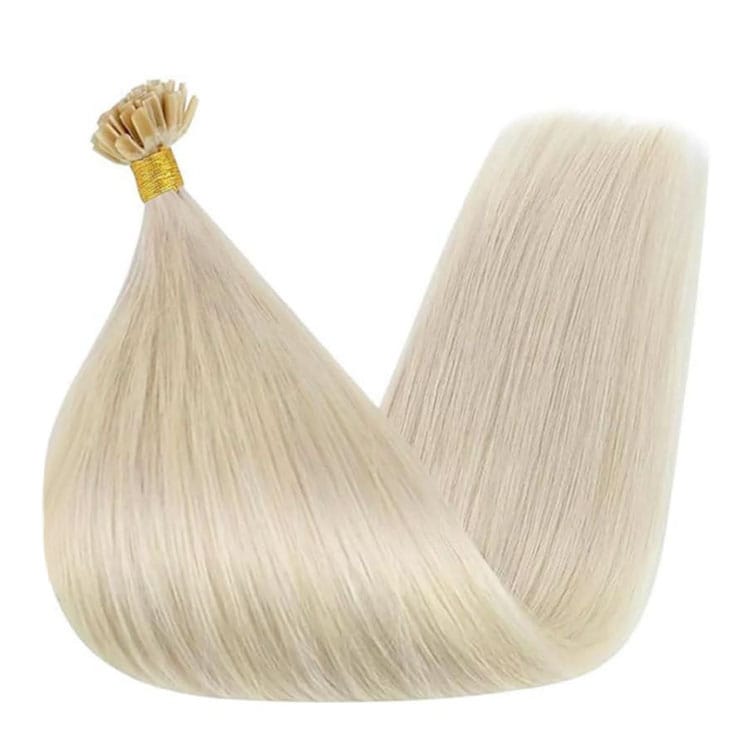
Start by asking what the tip is doing
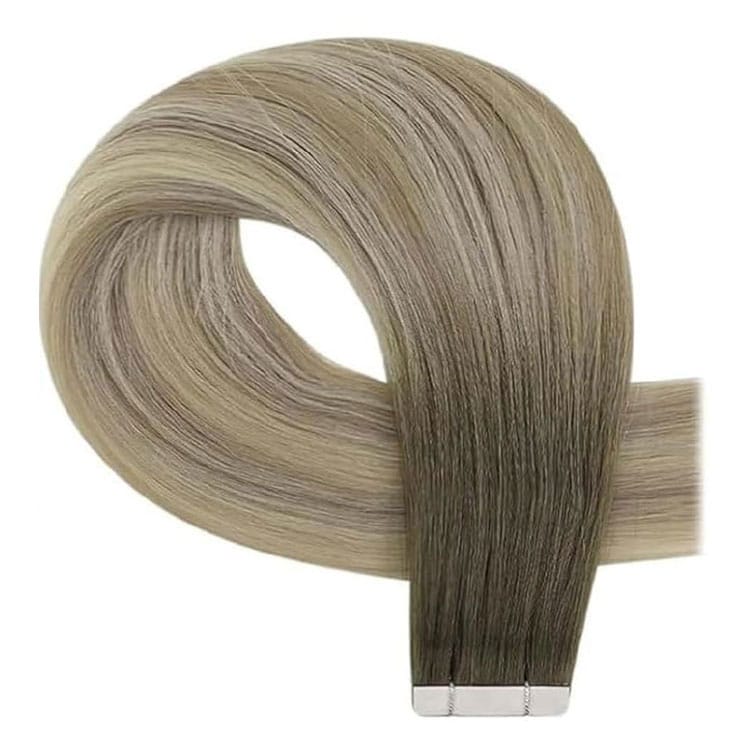
The U-Tip Hair Extensions product page describes human hair with U-shaped hot-melt adhesive tips. A salon heating tool softens those ends during professional installation. That is different from a tip held inside a ring without melting it.
Ask to see one loose strand and a demonstration of the intended fitting, if the salon can show one safely. The explanation should make clear which part is the hair, which part is the adhesive tip and which part is your own hair supporting it.
Do not infer an exact adhesive formulation from a familiar marketing term. Words such as keratin are used in the wider market, but the specific listing describes hot-melt adhesive tips. Ask for composition or compatibility details if they matter to your fitting rather than treating a category nickname as a material guarantee.
Decide whether you want an installed strand routine
U-tip hair is not a removable clip-in option. Professional fitting and removal are part of the commitment. That can suit someone who wants added hair in place between appointments, but it is less suitable if you want to take every piece out before tomorrow’s activities.
Describe how you usually wash, dry and style your hair. Tell the stylist about exercise, swimming and hairstyles that lift the hair away from the scalp. These habits affect the care plan and the locations where attachments can remain covered.
If you already have a comfortable routine with removable hair, compare what you want to improve before changing methods. Avoiding daily clipping may be useful, but you will take on care around installed bonds. The benefit should solve a real inconvenience for you.
Plan the amount around your own hair
Individual strands offer separate placement points, but the total amount still matters. Your natural hair needs to support the chosen hair, and the covering layers need to hide the attachments in movement. Neither the tip shape nor the human-hair label answers those questions.
Show the stylist the haircut you have now, including the back. A blunt line or short layers may need a blending plan. If you are choosing a much longer result, ask how the natural ends will meet the extensions after finishing.
Explain whether you care most about fuller ends, more length or a different overall silhouette. That gives the stylist a reason to put hair in particular areas. A numerical strand target chosen before the assessment can push the fitting toward quantity rather than an appropriate blend.
Ask how heat is controlled during fitting
The product is intended for professional installation with suitable equipment and care around the scalp. Fitting heat is a reason to use a trained professional, rather than a reason to copy a short demonstration with an unfamiliar tool at home.
Ask how the stylist checks the attachment position and protects the natural hair during the process. You do not need to learn to operate the equipment to expect a clear explanation. Knowing what is being attached also helps you recognize where care needs to be gentle afterward.
Speak up if you feel discomfort. A painful attachment should be assessed at the time. Continuing because the installation is almost finished is unlikely to make the result easier to wear, and you should not have to guess whether a sensation is expected.
Learn the route your brush should take
Before leaving, have the stylist demonstrate detangling around the fitted strands. Work through the lower lengths in sections while supporting the hair above any knot. Avoid dragging a brush into the bond area and using the attachment to pull against resistance.
Ask how to separate the strands gently as part of the advised routine. Hair near the roots can become difficult to manage if you cannot identify the individual attachment areas. A hands-on demonstration on your own fitting is easier to remember than a generic diagram.
Keep the recommended tool within reach and leave enough time for patient care. If detangling becomes a struggle, pause and ask for help. Repeated force is not a useful way to compensate for a knot, a crowded area or a fitting that needs attention.
Build washing and drying into the decision
Follow the care instructions for the exact adhesive and installed system. Your scalp and the extension lengths have different needs, and loose-hair advice may not explain how to reach the roots around fitted bonds.
Keep the lengths controlled while washing and avoid rubbing the attachment areas heavily. Rinse products thoroughly and use conditioner where advised. The aim is to keep the hair manageable without leaving the bonds coated in unsuitable products.
After washing, follow the stylist’s drying instructions for the roots as well as the lengths. If you cannot comfortably reach an area, have the method demonstrated. A routine that takes more time than you can realistically give it is useful information when comparing U-tip hair with another format.
Keep styling capability separate from bond care
The listed human hair supports heat styling and coloring. That does not mean a flat iron should touch the bonds or that any chemical process is suitable after installation. The attachment and the hair have different limits.
Test a discreet section of the lengths before making a major styling change. Keep tools clear of the tip areas. If a style requires repeated high heat to match your natural texture, ask whether the original hair choice or blending plan should be reconsidered.
For color changes, ask a professional colorist who understands extensions. The condition and processing history of the hair affect the result. A strand test can tell you something about the hair’s response; it does not replace any skin testing or precautions required for the coloring product.
Talk about removal before you talk about reuse
The U-tip listing says removal and reuse require reprocessing the attachment tips. This is an important distinction from simply replacing a ring or clipping a piece back in. The lengths may be suitable for reuse while the original tips are not ready for another fitting.
Ask who performs removal, how it will be arranged and what happens to the hair afterward. Avoid trying to slide or pull a bonded strand away. A professional should assess the attachment and release it using the process appropriate to the system.
If reuse is a priority, keep records of the shade, length and later treatments. Ask the stylist to assess the hair after removal rather than promising a certain number of future fittings in advance. Condition at the time is the relevant evidence.
Use these questions to compare the appointment plans
| Ask the stylist | Why the answer matters |
|---|---|
| Where will the bonds sit beneath my usual hairstyle? | Coverage changes when you move, part or tie the hair |
| How much added hair is appropriate for my current hair? | Individual tips still contribute to the total load |
| What must I keep away from the bonds? | Hair styling capability does not define adhesive compatibility |
| How do I clean and dry near the roots? | Care has to work at home after the salon appointment |
| How are the tips prepared if the hair is reused? | Reprocessing is separate from the condition of the lengths |
| Who handles removal and a problem between appointments? | An installed method needs an accessible follow-up plan |
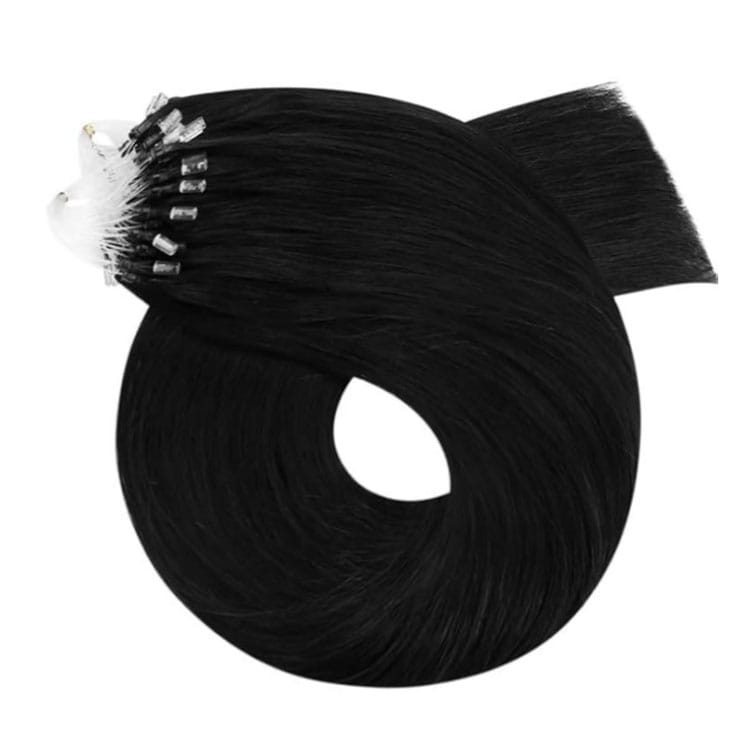
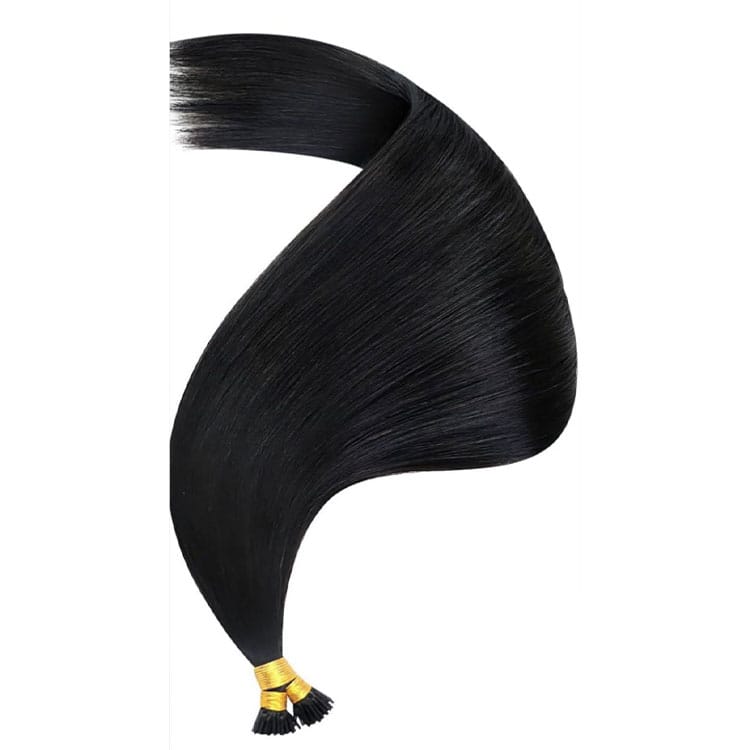
If two methods are under consideration, ask for the same answers for both. For example, compare I Tip Hair Extensions, which are ring fitted, with the U-tip method. A clear difference in maintenance may matter more to your week than a small difference in the unfitted tip.
For general background on extension care, see the American Academy of Dermatology’s guidance on preventing extension-related damage. Use the form below to request product details after your stylist has identified the tip format, shade and length they need.
Frequently asked questions
Is U-tip hair the same as I-tip hair?
No. The listed U-tip product uses hot-melt adhesive tips softened during professional fitting. The listed I-tip product is secured inside rings. The names describe different tip formats and should not be swapped without confirming the installation method.
Can I remove U-tip hair whenever I want?
Removal is a professional process, rather than opening a clip. Arrange it with the fitting professional and ask about access to removal before you commit. Do not pull a bond to see whether it will slide free.
Can the hair be reused with the original tips unchanged?
The product description says the tips require reprocessing for removal and reuse. The hair also needs a condition check. Reusable lengths and reusable attachment ends are separate questions, so have both assessed.
Does human hair make coloring risk-free?
No. Processing history, current condition and the coloring product affect the outcome. Get professional advice and test as instructed before a change. Keep the bonds and scalp considerations separate from the strand’s ability to take color.
What should I confirm before an order?
Have your stylist identify the product format, shade, length and proposed quantity. Ask about the adhesive details and removal plan if those are not already clear. The form below can be used to request that specific product information.