On this page
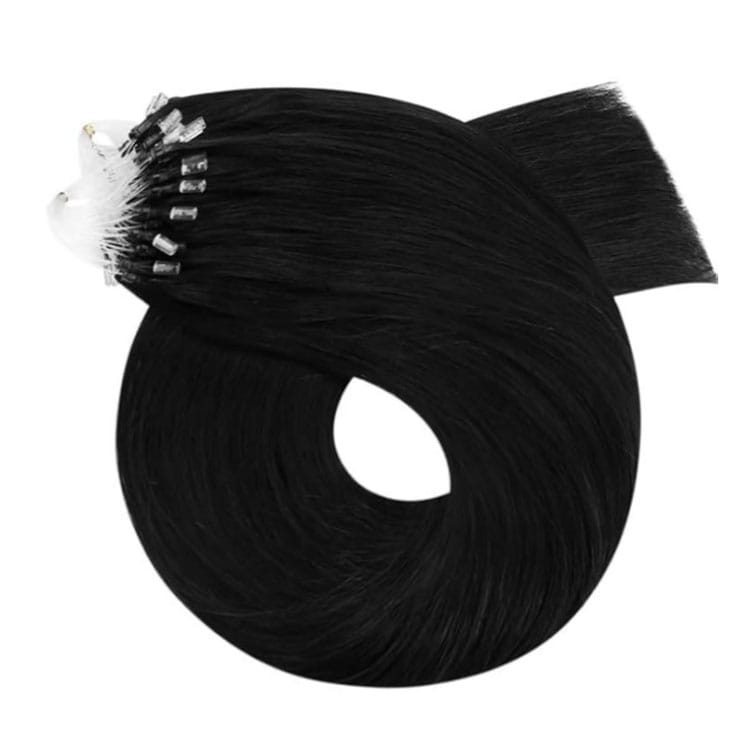
I tip hair extensions use individual hair strands with shaped tips secured inside small rings. A professional closes the rings with suitable pliers rather than melting the tips during fitting. If you like the idea of strand-by-strand placement, the main decision is whether the fitting, care and removal routine fits your life.
The name describes the end of the extension strand, not a complete promise about the hairstyle. Your own hair still has to support the chosen amount, and the ring needs to suit the tip and the installation. Here is what to discuss from the first consultation to the next appointment.
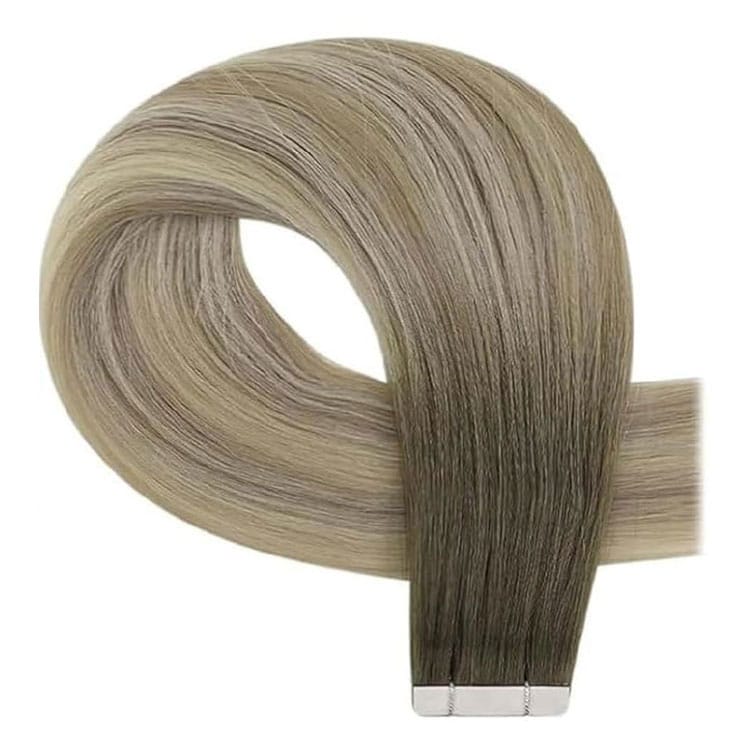
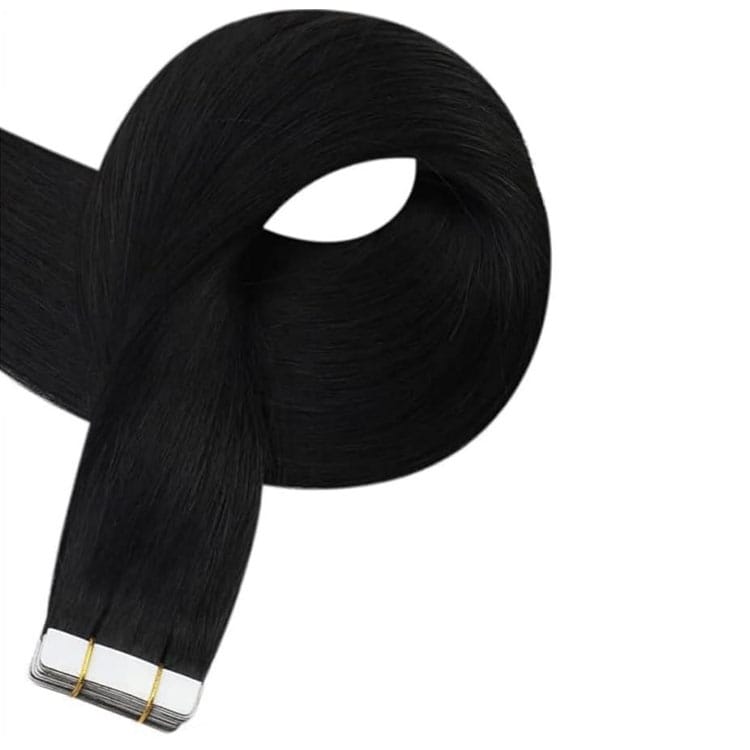
Compare a strand fitting with a flat tab
| Question | I-tip ring fitting | Tape-in fitting |
|---|---|---|
| How is the added hair divided? | Individual strands | Flat sections attached at tabs |
| What secures the listed product? | A ring closed with professional pliers | Adhesive tape on a flat base |
| What needs checking before reuse? | Hair, tips and replacement rings | Hair, base and replacement tape tabs |
| What should a wearer learn? | How to care around separate attachments | How to care around flat adhesive areas |
| What remains personal? | Suitable amount, coverage and scalp condition | Suitable amount, coverage and scalp condition |
The comparison does not decide which method everyone finds easier. Some people prefer separate strands; others prefer working around larger flat sections. Ask the stylist to describe a wash day with each method in the context of your hair.
For background about styling stress, the American Academy of Dermatology discusses hairstyles that pull. For the product comparison itself, view Tape In Hair Extensions alongside the I-tip listing. Use the form below to request the exact tip and shade information your stylist needs.
At the consultation: ask to see an actual strand
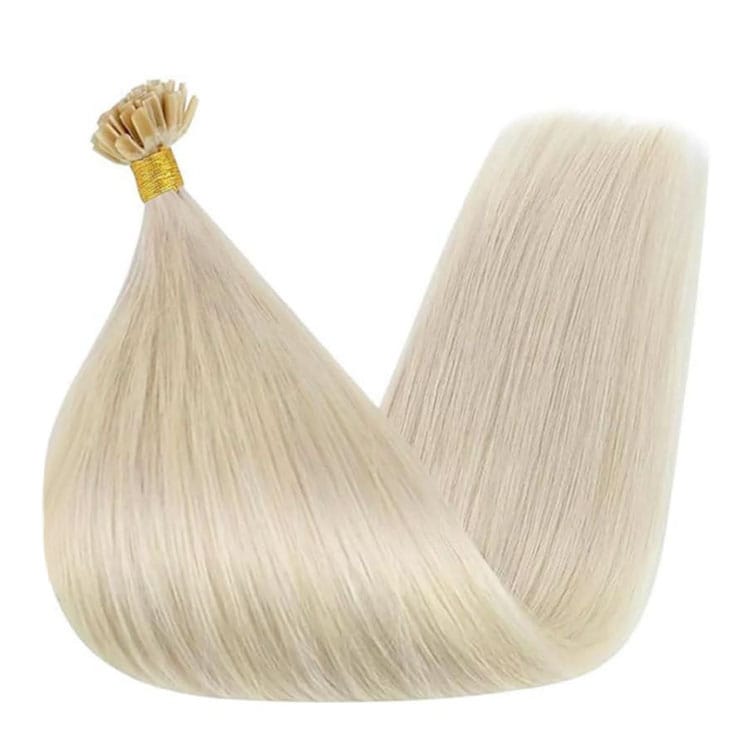
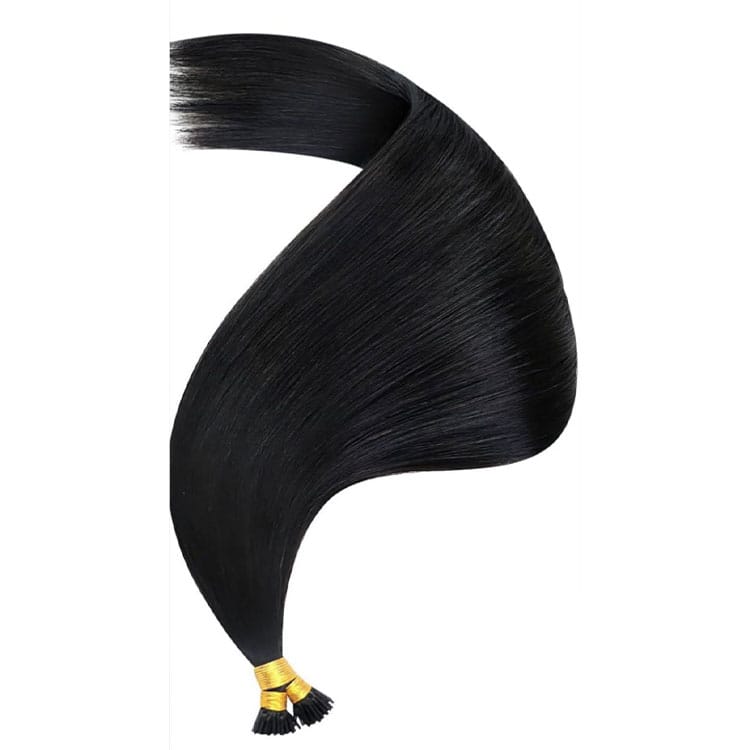
An unfitted strand makes the method easy to understand. The extension hair is gathered into a narrow shaped end, and that end sits within a small ring alongside a planned section of natural hair. Professional tools secure the attachment.
The I Tip Hair Extensions listing describes human hair with rounded I-shaped adhesive tips. Those tips are secured inside rings rather than melted during installation. The word adhesive in the tip description should not be confused with the fitting method: the listed product is ring fitted.
Ask which rings and tools the stylist intends to use. A tip and a ring that look small in separate photographs are not automatically a compatible pair. The person fitting the hair should confirm that the components work together for the chosen sectioning plan.
Before choosing length: explain your normal hairstyles
Individual placement gives a stylist separate points to arrange, but it still needs enough covering hair. Tell them if you use a middle part, frequently tie your hair back or wear the sides tucked behind your ears. These movements can reveal attachments that appear hidden with the hair resting loose.
Show how short the layers are around your face and at the back. A very long extension strand does not erase the natural line where those layers finish. The finished haircut may need blending so the result reads as one hairstyle.
Also discuss the amount you want. Fuller ends and a dramatic increase in length can require different plans. It is more useful to describe where you want the hair to look fuller than to arrive determined to fit the greatest possible number of strands.
During fitting: the ring should not become a distraction
You should understand where the attachments are going and how the stylist is checking the result. Ask them to show you a finished attachment before they continue through the whole head. That gives you a useful reference for future brushing and care.
If the process produces discomfort or an area feels pulled, speak up at the time. Do not assume that a tight sensation is evidence that the fitting will last longer. Personal suitability depends on the condition of your natural hair and scalp as well as the product chosen.
The appointment should include checks with the hair moving in ordinary directions. A ring hidden when you look straight ahead may be exposed near the sides when you turn. Adjustments are easier to discuss while the stylist can still see exactly what you are noticing.
Before you leave: learn how to find the attachments
Have the stylist show you how to separate the hair around the rings gently and how to brush the lengths without catching them. It helps to repeat the movement while they can watch. A demonstration is more useful than a long list of instructions you cannot relate to the fitting.
Ask which brush or comb they recommend and why. The useful tool is one that can be used around the installation without dragging across the rings. Even a suitable brush can pull if you try to push one long stroke through a knot.
Record the care instructions and the proposed review date. Include the method for contacting the salon if a strand slips. You do not need to wait for a whole appointment cycle to mention an isolated problem, and you should not have to guess whether it needs attention.
On wash day: treat the roots and lengths as different areas
Your scalp needs a cleaning routine appropriate to your own hair and the installation. Follow the stylist’s advice about products near the rings and tips. Advice for a loose removable set is not a substitute for caring for installed hair.
Keep the hair controlled while washing rather than rubbing the lengths together into a pile. Rinse carefully and handle the attachment areas without force. Ask how to dry near the rings, since checking only the visible ends can leave the roots insufficiently attended to.
Detangle the lower lengths first, supporting the hair above the knot. If you feel a catch near a ring, stop and identify it instead of pulling harder. A small tangle can become a much larger problem when several attachment areas are pulled together during brushing.
On styling days: remember what no fitting heat means
I-tip fitting does not melt the tip onto your hair in the way a hot-fusion method does. That does not mean the installed style has no care requirements, or that styling tools can touch the rings and tips without consequence.
The listed human hair supports curling, straightening and coloring. Keep tools on the lengths and follow product-specific guidance. A test on a discreet section helps you see how the hair responds before changing the finish of every strand.
If the extensions and your own hair need very different styling to match, reconsider the texture choice or the finishing haircut. Repeatedly forcing the two into one dramatic style can make the everyday routine harder. A closer starting match often gives a more manageable result.
If a strand slips: save it and ask for a check
A loose strand does not explain its own cause. The ring, tip, product residue, sectioning and hair condition may all need assessment. Re-clamping at home without understanding the cause can add pressure in the wrong place or leave the strand insecure again.
Keep a slipped strand clean and separate, with the tip intact if possible. Tell the salon where it came from and what you noticed. A clear description is more helpful than deciding from a photograph that all the rings need to be tighter.
If several strands move or tangling begins around the attachments, contact the professional promptly. Trying to conceal the problem in a tighter ponytail makes it harder to judge and does not restore the fitting. The appropriate response depends on what the inspection shows.
At removal: assess the hair and the hardware separately
The product description says well-maintained strands can be reused by replacing the rings. Reuse still depends on the condition of the hair and tips. A new ring is a replacement component, not a way to reverse damage in the lengths.
Ask how the stylist removes the rings and prepares hair for a possible refit. Removal belongs in the professional plan. Pulling or trying to loosen a ring with an improvised tool can stress the natural hair or damage the tip.
Keep a record of the shade, length and any color changes. If replacement strands are needed, those details help with matching. They also help you judge whether a new strand looks different because of a shade issue or because the older hair has changed through wear.
Frequently asked questions
Is an I-tip installation a hot-fusion fitting?
Not for the listed product. Its tips are secured inside rings using professional pliers. U-tip products use a different method involving softened adhesive tips. Confirm the construction and installation rather than assuming all pre-tipped strands are attached in the same way.
Can I fit the strands with any small ring?
No. The fitting professional needs to confirm compatibility between the ring, tip and section of natural hair. Similar-looking components can differ. A secure-looking clamp is not enough to establish a suitable installation.
Does ring fitting mean there is no maintenance?
No. Installed strands need routine care, checks and professional removal. Agree on a review plan with your stylist. Slipping or difficult tangling near the attachments should be discussed when noticed rather than left until an assumed universal refit date.
Can the same strands be used again?
Well-maintained hair may be reusable after assessment and replacement of the rings. The tips and lengths still have to be suitable. Replacing the hardware does not guarantee that every previously worn strand is fit for another installation.
What should I ask before ordering I-tip hair?
Confirm the exact tip format, length, shade and quantity with the person who will fit it. Ask whether they supply the rings and what information they need from the product listing. The form below is available for those product questions.